

About this project: An exploration of Afghan sensory cuisine
Discover the fascinating journey behind our Afghan 3-course sensory menu project, exploring the science of food and culture.

Understanding the core of Afghan cuisine
This project delves into how macronutrients—carbohydrates, proteins, and lipids—influence the sensory characteristics and functional properties of food. Using a traditional Afghan three-course menu, we demonstrate how various ingredients contribute to flavour, aroma, texture, and visual appeal. It highlights the nutritional importance and showcases how food reflects culture, tradition, and creativity, offering an enjoyable dining experience.

Key discoveries in food science
Through this 3-course sensory menu, we learned that carbohydrates, proteins, and lipids each play a crucial role in the sensory characteristics of food. Carbohydrates provide structure and texture, proteins contribute to flavour and tenderness, and lipids enhance richness, aroma, and mouthfeel. We also observed how sensory elements like flavour, aroma, texture, taste, and visual appeal collectively shape the eating experience. Researching traditional Afghan dishes deepened our appreciation for food as a cultural expression, bringing together diverse flavours, colours, and textures in a balanced meal.
The fascinating world of aroma and texture
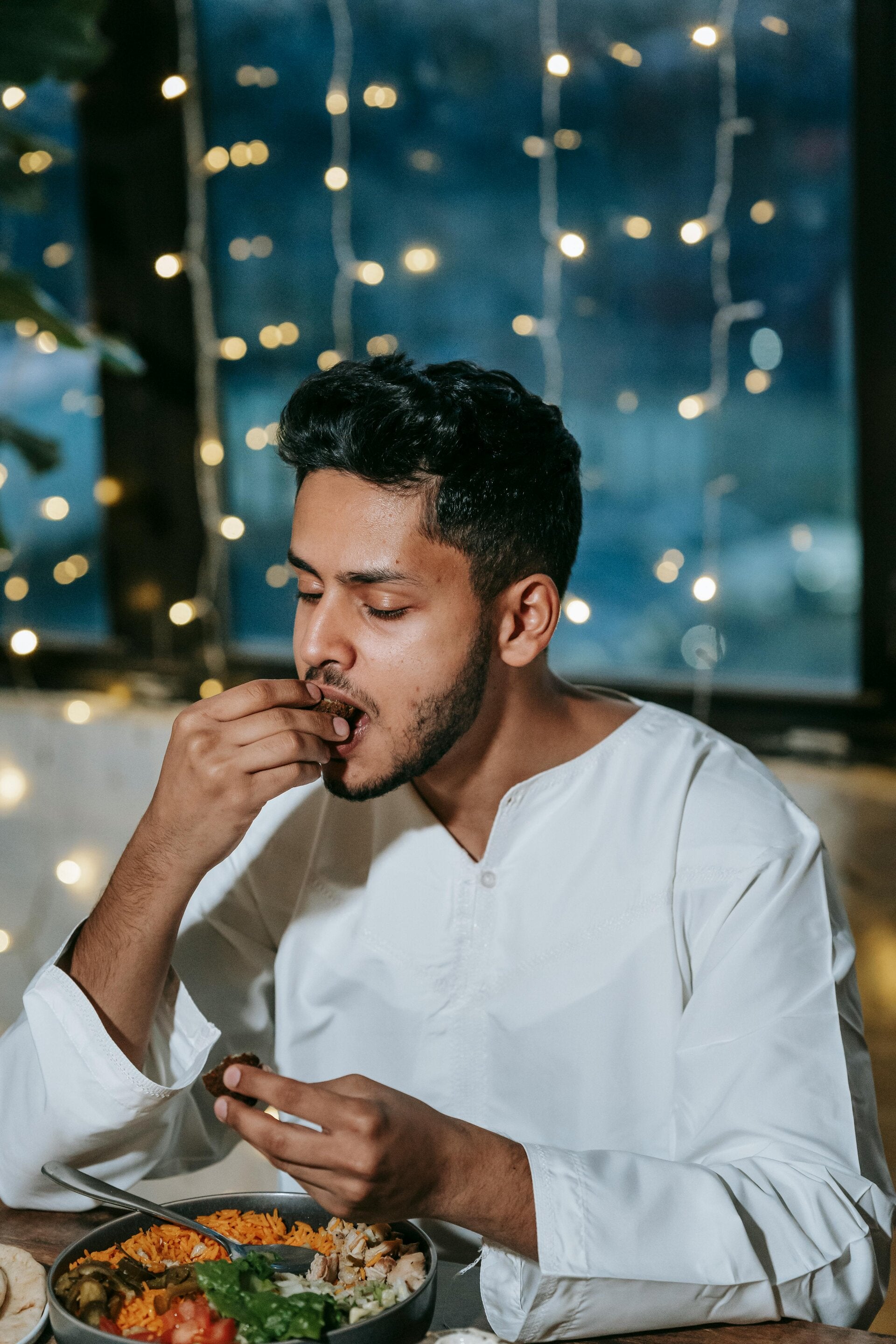
The most intriguing aspect of the sensory exploration was understanding how aroma and texture significantly impact food enjoyment. We were particularly surprised by the profound effect of spices like cardamom and cumin on the overall sensory experience. These aromatic elements, combined with the varied textures in Afghan cuisine, truly elevate the dining experience beyond mere taste.
"This project is a brilliant demonstration of how science and culture intertwine in the culinary arts."
[[name]], Teacher at Afghan 3-Course Sensory Menu, Sydney, Australia
Create Your Own Website With Webador